
Why You Should Wait for the iPhone 17E: A Practical Look at Rumors, Trade‑Offs and Value
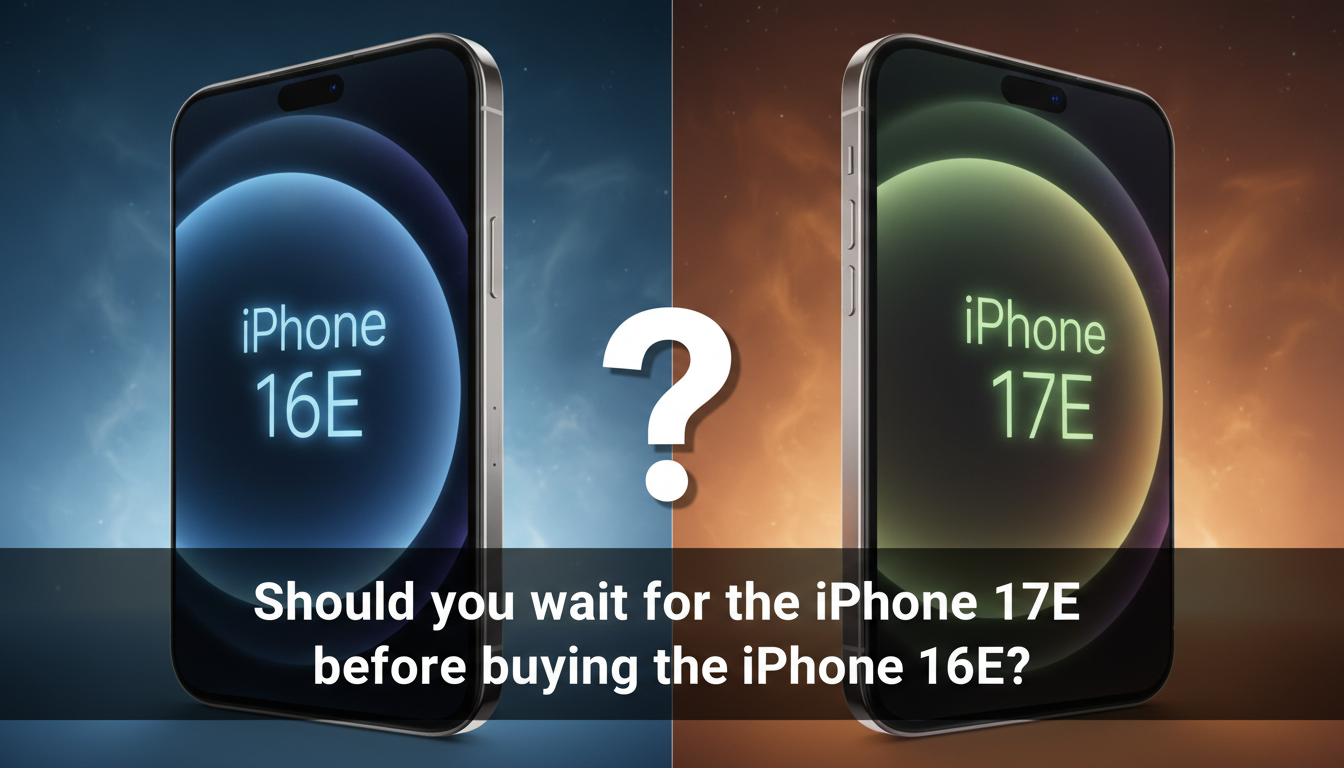
Should you wait for Apple’s iPhone 17E? Compare it to the iPhone 16E on camera, charging, price and real-world value to decide whether to buy now or wait.
Apple’s entry-level modern iPhone from last year, the iPhone 16E, replaced the old SE line by offering a full‑front 6.1‑inch display and updated internal hardware. It also introduced a new pricing tier around $600 that sits between the legacy SE price and Apple’s standard models. The 16E delivered several welcome upgrades but omitted a number of features that buyers expect at that price. With credible reports and Apple’s own event signaling a near-term launch of a successor commonly referred to as the iPhone 17E, many buyers face a clear choice: purchase now or wait a few weeks for the next model. The guidance below summarizes what the 16E offered, what the 17E might change, how Apple can adjust costs, and practical buying scenarios.
What the iPhone 16E delivered and its compromises
The 16E moved the entry product away from the small SE form factor into a modern 6.1‑inch slab with slimmer bezels and enough memory to run Apple’s latest software features. It carried a single 48‑megapixel main camera, no ultrawide or telephoto lens, no MagSafe, and relied on slower 7.5‑watt Qi wireless charging. Wired charging used a USB‑C 2.0 implementation limited to roughly 20 watts. Those omissions were deliberate trade‑offs to keep the price below Apple’s standard models, which were positioned about $200 higher for similar flagship feature sets. The result: a capable handset for basic to moderate users, but one that ceded key photography, accessory, and charging features to more expensive iPhones.
Rumored gains for the iPhone 17E: cameras and charging
Reports around the expected 17E point to a tendency for Apple to migrate components across models when it is economically sensible. The most consequential rumors center on cameras and charging. A dual‑camera array (wide plus ultrawide) would fill the most glaring gap of the 16E and align the 17E more closely with the standard iPhone 17’s photographic baseline. Improved wireless charging speed and the restoration of MagSafe compatibility are other frequently cited possibilities that would directly improve day‑to‑day convenience. Until Apple confirms specifications, these remain plausible upgrades rather than guarantees, but they are the logical features that would increase perceived value while maintaining an entry price point.
How Apple could add value without raising costs
Apple commonly reduces manufacturing complexity and cost by sharing parts across models in the same generation. By using the same camera modules, power management components, or logic‑board elements as the iPhone 17 family, Apple can absorb incremental features—like an ultrawide camera or faster charging—without a proportional increase in retail price. Economies of scale in production and existing supplier agreements also allow the company to selectively reincorporate features that were excluded for the 16E. The result can be a stronger value proposition for buyers at the same or slightly higher price, depending on Apple’s positioning strategy.
Who should buy an iPhone 16E now and who should wait
Buy now if: you need a phone immediately, you have tight timing constraints, or you find a promotional price that meets your budget. The 16E remains a functional midrange device with modern software support, a large screen, and solid performance for everyday tasks.
Wait if: you want the best camera flexibility, faster wireless charging, MagSafe, or you want the longest possible resale value and software lifecycle. If the 17E is introduced soon, Apple and retailers historically discount prior models and offer refurbished inventory at lower prices. Waiting a few weeks can either get you a device with better features or a better price on the 16E.
How pricing and discounts typically play out after a new entry iPhone arrives
When Apple updates its lineup, older models commonly receive direct price cuts from Apple or steeper discounts through third‑party retailers. Refurbished and clearance stock also tends to appear more quickly, creating opportunities for value buyers. If the 17E fully replaces the 16E in Apple’s catalog, the 16E will remain available through other channels and likely see price reductions to clear inventory. For price‑sensitive buyers, patience of a month or two after a successor is announced often yields meaningful savings.
If your current phone still meets your needs, waiting until Apple reveals the 17E will either yield a better device for the same price or buy you a discounted 16E. If you must upgrade immediately, evaluate current offers and prioritize the specific features you care about—camera versatility, wireless charging speed, or accessory ecosystem—so you choose the model that best matches your daily needs.