
Xiaomi Leica Leitzphone vs Samsung Galaxy S26 Ultra Review: Which 2026 Flagship Truly Wins for Photography
Deep camera review of Xiaomi’s Leica Leitzphone vs Samsung Galaxy S26 Ultra, with LOFIC sensor, moving zoom lens, image quality, video tests, and creator tools.
Design and handling for image makers
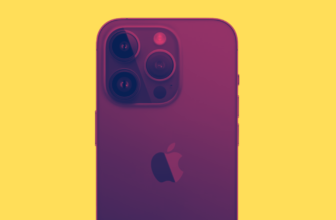
Both phones are premium slabs, yet they cater to different priorities. The Xiaomi-built Leica Leitzphone is unapologetically camera-forward. A large circular module, a physical control ring, and pronounced lens glass signal its intent. Grip is secure, and the layout encourages two‑handed shooting. The Samsung Galaxy S26 Ultra remains a versatile productivity device. It keeps the squared silhouette, integrates the S Pen cleanly, and adds a privacy screen that narrows viewing angles. The S26 Ultra feels balanced and pocketable for its size, but its camera module is flatter and less tactile. Photographers will appreciate the Leitzphone’s dedicated controls. Power users will value the S26 Ultra’s stylus and refined ergonomics for everyday tasks.
Sensor and optics advantage on the Leitzphone
The Leitzphone’s hardware is built around a LOFIC image sensor (Lateral Overflow Integration Capacitor). This design extends full‑well capacity to preserve highlight detail while lifting shadows within a single exposure. In practice, it increases dynamic range without resorting to stacked multiframe tricks as often. Paired with Leica Summilux optics, the module produces high micro‑contrast and consistent corner sharpness. Leica color profiles are available in-camera, enabling distinct tonal responses without post-processing. Samsung’s S26 Ultra iterates on its main and telephoto cameras, using slightly larger apertures and updated stabilization. It benefits from mature computational processing, but its lens stack and sensor architecture do not represent a generational hardware leap. As a result, the Leitzphone holds a measurable advantage in scenes with complex lighting.
Zoom engineering and real reach
One of the Leitzphone’s standout features is a telephoto system with moving lens elements. This enables true optical transitions across a range, minimizing the quality dip common to fixed-step periscope designs. Detail retention remains high between intermediate focal lengths, and focus breathing is modest. The S26 Ultra’s zoom remains competent and fast, with reliable autofocus and strong stabilization, but its improvements are incremental. It jumps between optimized focal points and relies on computational upscaling in between. For wildlife, stage work, or architecture where framing flexibility matters, the Leitzphone’s variable optics reduce the need to pick between discrete stops, yielding more keeper shots at nonstandard focal lengths.
Photo quality day, night, and everything between
Daylight performance from both devices is excellent, but they diverge in rendering. The Leitzphone produces neutral white balance, higher midtone fidelity, and better highlight roll‑off. Fine textures like foliage and fabric patterns look natural with minimal sharpening halos. Backlit portraits hold more facial detail before clipping. At night, the LOFIC sensor curbs blooming around point light sources and keeps color channels cleaner, so neon and tungsten signage retain separation. Handheld low‑light shots show less chroma noise and fewer watercolor artifacts. Samsung’s S26 Ultra is still a strong shooter. It delivers bright, punchy images with deep contrast and crowd‑pleasing saturation. Skin smoothing is restrained by default, and autofocus is quick. However, in mixed indoor lighting, color casts appear more often, and highlight recovery trails the Leitzphone. Telephoto image quality favors the Leitzphone at intermediate zoom ratios where its moving optics sustain true optical resolution.
Video, editing, and creator features
For creators, the Leitzphone’s strengths carry over to video. Dynamic range is broad, moiré is well controlled, and motion cadence is stable. Leica color profiles translate to footage with pleasing contrast and predictable grading behavior. Rolling shutter is managed effectively for a large sensor class. Samsung counters with a mature video toolkit, reliable stabilization, and a wide selection of frame rates and resolutions. Its on‑device editing suite and generative tools can reframe clips, clean backgrounds, and apply stylized looks. These tools are convenient for quick social posts and batch content, but they focus more on creative manipulation than on raw capture quality. Audio pickup is competitive on both, with wind filtering that preserves dialog. For a production-first workflow, the Leitzphone’s base footage requires less correction. For a publish‑fast workflow, the S26 Ultra’s software stack shortens turnaround.
Performance, battery, and display notes
Both flagships use cutting‑edge processors that load heavy camera apps quickly and export stacks without long delays. Thermals are controlled under sustained capture, though the Leitzphone warms sooner during extended 4K and telephoto use due to its optical actuation and sensor throughput. Battery life is strong on each device; casual mixed shooting easily covers a full day, while intensive photo and video sessions may require a midday top‑up. Displays are bright and color-accurate. The S26 Ultra’s privacy screen can be useful during street shooting or note‑taking, but it also slightly narrows off‑axis color fidelity. The S Pen remains a productivity differentiator for storyboarding, shot lists, and quick annotations. Connectivity, storage, and haptics are flagship-grade on both, and shutter latency is minimal.
The bottom line for photographers is clear. If image quality is the top priority, the Leica Leitzphone pulls ahead with its LOFIC sensor, Leica Summilux optics, moving telephoto lens elements, and consistent color science that reduces post-work. It provides more keeper shots across tricky lighting and focal ranges. The Galaxy S26 Ultra remains an excellent all‑rounder with a fast interface, robust video options, a privacy‑minded display, and the versatility of the S Pen, but its camera updates are evolutionary rather than transformative. Creators who value capture purity and optical flexibility should choose the Leitzphone. Users who need a balanced flagship with strong cameras, polished software, and productivity extras will still be well served by the S26 Ultra.